 Call Us : 08071793556Call Us : 08071793556
 Send Inquiry
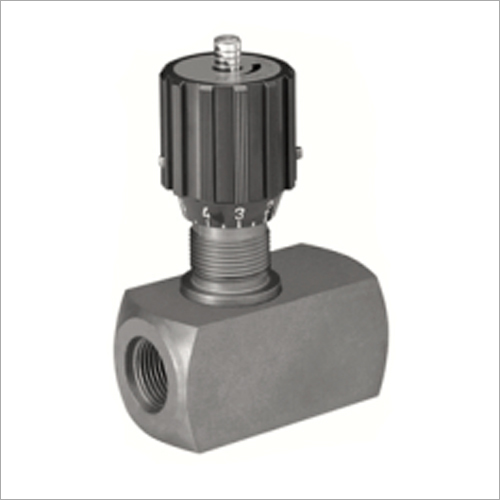
Needle Valves
MOQ : 15 Pieces
Needle Valves Specification
- Features
- Leak-proof tight shutoff, Precise Flow Control, High Pressure Capability, Corrosion Resistant
- Connection Type
- Threaded End (BSP/NPT)
- Valve Size
- Varies from 1/8 to 1
- Control System
- Manual
- Valve Type
- Isolation & Regulation
- Material
- Stainless Steel 304/316, Brass
- Sealing
- PTFE or Metal-to-Metal
- Structure
- Forged Body, Straight & Angle Pattern
- Voltage
- Not Applicable (Manual Operation)
- Application
- Industrial Fluid Control, Gas and Liquid Flow Regulation, Hydraulic Systems, Laboratory Applications
- Type
- Needle Valve
- Power
- Manual
- Pressure
- Up to 6000 PSI (414 Bar)
- Media
- Water, Oil, Gas, Chemical Fluids
- Port Size
- 1/8 to 1 BSP/NPT
- Temperature
- -20C to 220C
- Disc
- Needle Type Stainless Disc
- Pin
- Single Piece Stem
- Testing
- Hydrostatic & Pneumatic tested as per relevant standard
- Operation Torque
- Low Operating Torque Design
- Locking Arrangement
- Optional Lockable Handle
- Packing Type
- PTFE Packing
- Mounting Position
- Any
- Compliance
- ASTM, DIN Standards
- Working Life
- 100,000 cycles
- Stem Material
- SS316/Hardened Stainless Steel
- Body Finish
- Electropolished or Shot Blasted
- Handle Type
- T-Bar, Round Knob
- Cv Value
- 0.3 to 0.8 (Size Dependent)
- End Connection
- Screwed, Welded, Flanged (Optional)
Needle Valves Trade Information
- Minimum Order Quantity
- 15 Pieces
- Payment Terms
- Cash in Advance (CID)
- Supply Ability
- 100 Pieces Per Week
- Delivery Time
- 5 Days
- Main Domestic Market
- All India
About Needle Valves
A needle valve is usedto accurately control flow rates of clean gasses or liquids. Gradual adjustments of the stem and plunger enable smooth flow control. These valves generally have low flow rates and a relatively significant pressure drop from the inlet to the outlet.One of the main advantages of needle valves is thatthey offer fine and precise flow control. The stem can be turned by hand or by an actuator to adjust the orifice size and the flow rate. Needle valves can handle very low flows and pressures, as well as high-temperature and corrosive fluids.
The size of the needle valve varies from1/4 to 1. Stainless steel needle valve is installed in sampling systems application, chemical processing, and corrosive handling. Whereas needle valves that are made of carbon steel material are used in refineries, gas, oil, water, chemical, wastewater industries.
Precision Control and Reliable Performance
These needle valves are designed for applications requiring accurate regulation and isolation, offering fine control over flow rates. Their needle-type stainless steel disc and low operating torque design ensure smooth manual operation while maintaining strict shutoff integrity, perfect for critical environments like chemical processing and laboratories.
Versatile Installation and End Connections
Adaptable to a variety of systems, these valves feature multiple end connection options, including screwed, welded, and flanged joints. The mounting position is unrestricted, allowing installation in any orientation. This versatility meets the requirements of industrial, hydraulic, and laboratory settings throughout India.
Durability and Compliance
Built with a forged body from corrosion-resistant stainless steel or brass, these valves are hydrostatically and pneumatically tested to relevant standards. Their construction ensures a working life of over 100,000 cycles, meeting ASTM and DIN compliance for safe, long-term operation in demanding environments.
FAQs of Needle Valves:
Q: How should a needle valve with T-Bar or round knob handle be installed for best performance?
A: Needle valves with T-Bar or round knob handles can be mounted in any position and are compatible with screwed, welded, or flanged end connections. Ensure proper alignment and tight sealing during installation to prevent leaks and maintain precise flow control as per ASTM/DIN standards.Q: What types of media can these needle valves regulate safely and efficiently?
A: These valves are designed for safe handling and regulation of water, oil, gases, and chemical fluids. Their robust stainless steel or brass construction, combined with PTFE or metal-to-metal sealing, provides leak-proof performance even under high pressure, making them suitable for diverse industrial applications.Q: When is it recommended to use a locking arrangement on the handle?
A: A locking arrangement is recommended when you need to secure the valve position to prevent unintentional operation or tampering, especially in critical process control or hazardous fluid management scenarios. The lockable handle can be optionally included as per system safety requirements.Q: Where are these needle valves commonly used in industrial applications?
A: These valves are commonly found in fluid control, gas and liquid regulation systems, hydraulic setups, power plants, and laboratory environments throughout India. Their versatility and tight shutoff make them ideal for both isolation and precise flow regulation tasks.Q: What processes are followed to test the reliability of needle valves before supply?
A: Each valve undergoes hydrostatic and pneumatic testing according to relevant ASTM and DIN standards. These processes validate the valves pressure handling, leak-tightness, and integrity, ensuring it meets stringent quality and safety criteria for industrial operation.Q: How does using PTFE packing benefit the operation of these needle valves?
A: PTFE packing provides excellent chemical resistance and leak prevention, ensuring tight shutoff and smooth stem movement. It enhances the valves durability, reduces maintenance, and supports operation in a wide temperature range from -20C to 220C.Q: What are the main advantages of using these needle valves in high-pressure systems?
A: Their leak-proof design, precise flow control, high-pressure capability (up to 6000 PSI), and corrosion-resistant materials make these valves ideal for reliable, long-term use in demanding environments requiring accurate regulation and isolation.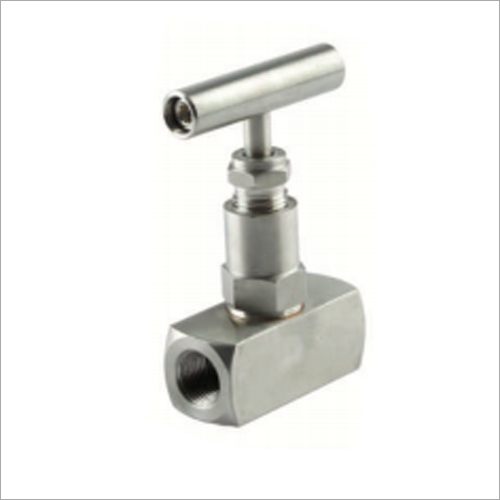
Tell us about your requirement

Price:
Quantity
Select Unit
- 50
- 100
- 200
- 250
- 500
- 1000+
Additional detail
Mobile number
Email

More Products in Hydraulic Valve Category
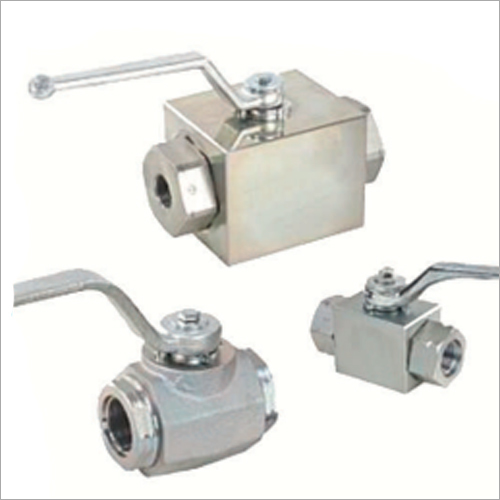
High Pressure Block Body Ball Valves
Minimum Order Quantity : 20 Pieces
Type : High Pressure Ball Valve
Application : Highpressure fluid control in oil & gas, petrochemical, chemical, power generation, and refinery sectors
Structure : Other, Block Body, Two Piece and Three Piece Design
Pressure : Other, Up to 6000 PSI (413 Bar)
Ball Valves Throttle and Flow Control Valve
Minimum Order Quantity : 10 Pieces
Type : Flow Control Valve
Application : Industrial
Product Type : Control Valve
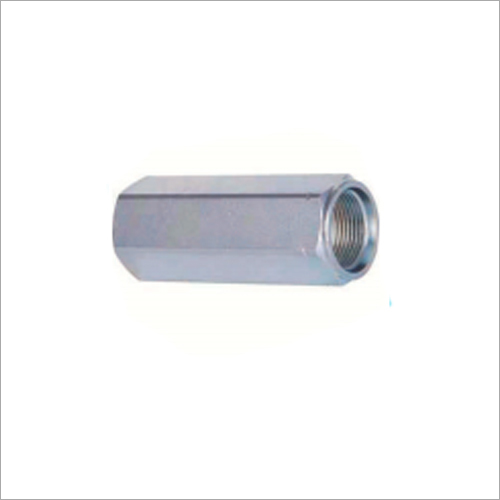
Check Valves
Minimum Order Quantity : 10 Pieces
Type : Check Valves
Application : Industrial
Structure : Check
Product Type : Check Valves
Pressure : High Pressure PSI
Flow Control Valves
Minimum Order Quantity : 10 Pieces
Type : Flow Control Valves
Application : Industrial
Structure : Control

Address
SATRAMDAS HYDRAULICS AND INDUSTRIAL COMPONENTS LLP
GST : 27AEBFS7555P1Z8
GST : 27AEBFS7555P1Z8
- S/A, 1/4, S Block Bhosari MIDC, Beside Revale Industries, Bhosari,Pune - 411018, Maharashtra, India
- Phone :08071793556
- Send Inquiry
 Send Inquiry
 Send Inquiry
 Send SMS
 |
SATRAMDAS HYDRAULICS AND INDUSTRIAL COMPONENTS LLP
All Rights Reserved.(Terms of Use) Developed and Managed by Infocom Network Private Limited. |
